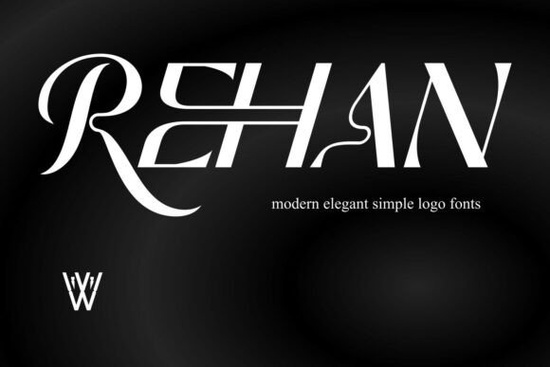
Finding the right typeface for a high-end project often means looking for a delicate balance between clean lines and unique character. The Rehan Font offers exactly that combination. Crafted as a modern elegant serif, it provides designers, small business owners, and creative hobbyists with a highly refined visual identity. The letterforms feature smooth curves and distinctive ligatures that stand out on the page without feeling overly complicated or cluttered.
What makes this typeface work for luxury branding?
When building a premium brand, readability and personality must work together. Rehan delivers a bold yet graceful structure that captures attention immediately. The subtle decorative strokes give logos and packaging a custom, handcrafted feel, while the underlying minimalism keeps the overall design professional and grounded. Small businesses creating cosmetics, boutique clothing lines, or artisanal goods will find that these custom alternates add a memorable touch to their product labels. The contrast between thick and thin strokes mimics traditional calligraphy, which is a hallmark of high-end fashion branding. By carefully selecting which alternate characters to use, a brand can look bespoke rather than mass-produced.
How can print-on-demand sellers apply it to physical products?
For print-on-demand shops, typography can make or break a design. Because of its strong visual presence, this serif typeface looks excellent on minimalist tote bags, high-quality art prints, and fashion-forward apparel. When printing physical items, the crisp edges of the letters ensure that the text remains sharp, even on textured materials like canvas or heavy cardstock.
- Apparel: Use the bolder weights for short, impactful quotes on t-shirts or embroidered sweatshirts.
- Stationery: The custom alternates and smooth curves are perfect for wedding invitations, greeting cards, and custom notebooks.
- Home Decor: Clean letterforms scale beautifully on large canvas prints and ceramic mugs without losing their intricate details.
If you need a slightly different vibe for a specific product line in your shop, checking out other elegant serif options like Nakumita can give you more variety while maintaining a similar premium feel.
Which fonts pair best for editorial layouts?
Mixing typefaces requires a clear understanding of contrast. Since Rehan is highly decorative in its alternate characters but structured in its standard form, it pairs best with simple, neutral fonts. For an editorial magazine spread or a blog header, use it for the main titles and choose a basic sans-serif for the body paragraphs.
Sometimes a specific project calls for a more eclectic aesthetic. If your layout leans toward a vintage or raw editorial look, you might incorporate a stylized typewriter outline style for subheadings or pull quotes to create distinct visual layers. Alternatively, if you want to lean fully into artistic expression for a magazine cover, exploring the decorative approach found in Churasi alongside your main typeface can create a striking, textured contrast. You can also dive deeper into the technical details of this specific modern serif family to understand exactly how its built-in ligatures interact on a printed page.
Do you need advanced software to access the custom alternates?
Many beginners wonder if they need expensive design programs to use special characters. While professional tools like Adobe Illustrator, InDesign, or Photoshop make it very easy to toggle OpenType features, you can still use the standard characters in basic word processors or free design tools like Canva. However, to get the absolute most out of the unique letterforms, using software that supports advanced typography features is highly recommended. This allows you to seamlessly swap out standard letters for the swashes and decorative ones with just a few clicks, giving your final product a polished look. Most downloads include both OTF and TTF files, ensuring compatibility across Windows and Mac operating systems.
What should you check before finalizing your design?
Before exporting your final artwork, run through this quick typography checklist to ensure your text looks professional:
- Check readability: Ensure the decorative alternates do not make the text too difficult to read at smaller sizes, especially on mobile screens.
- Test the ligatures: Turn on OpenType features in your design software to see how connecting letters improve the natural flow of your logo.
- Limit your font count: Stick to two typefaces per project to maintain a clean, uncluttered, and professional layout.
- Adjust letter spacing: Give the uppercase letters a bit more tracking, or breathing room, to achieve a more luxurious, high-end aesthetic.
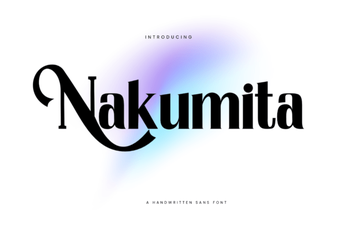 Nakumita Font: Creative Typography for Modern Design
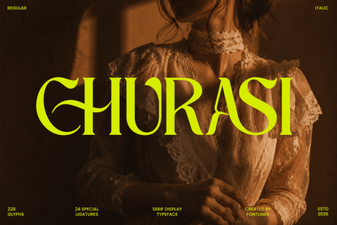 Churasi Font for Creative Typography Projects
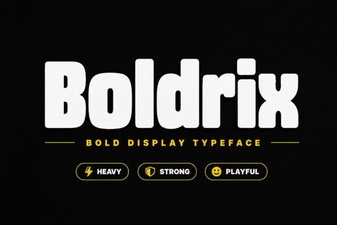 Boldrix Font: a Modern Designer's Toolkit
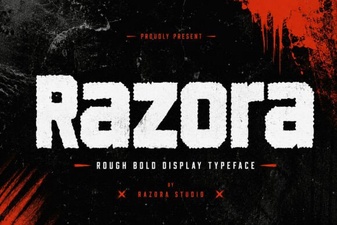 Razora Font: Design Inspiration & Use Cases
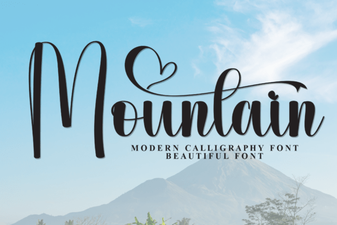 Explore Mountain Fonts: Design Tools for Outdoor Inspiration
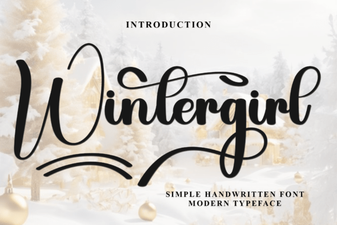 Wintergirl Font: Design Projects & Creative Ideas