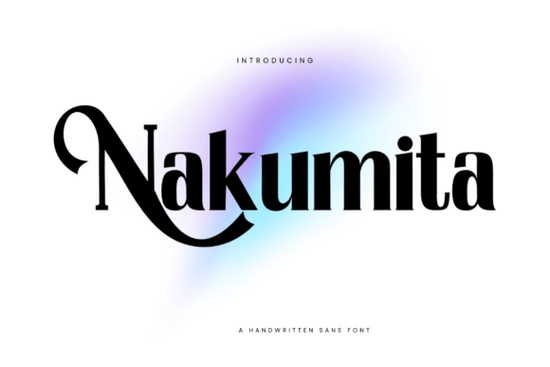
Finding the right typography for high-end branding requires balancing clean structure with expressive details. Nakumita Font solves this problem by blending high-contrast modernism with handwritten script artistry. If you design for luxury lifestyle boutiques, organic cosmetics, or editorial publications, this premium handwritten sans typeface provides the exact mix of elegance and boldness your project needs. The letters feature geometric stems mixed with fluid calligraphic details, offering a unique look that stands out in crowded markets.
The defining feature of this typeface is its striking structural contrast. It pairs ultra-bold vertical stems with ultra-thin horizontal lines. This specific design choice creates a poetic, dancing rhythm across the page that grabs attention without feeling cluttered. For print-on-demand sellers creating custom tote bags or premium apparel, this strong visual presence ensures the design is easily readable from a distance. It works exceptionally well as a headline typeface where you want to establish a high-fashion aesthetic immediately.
How do you pair this typeface with other font styles?
Because of its dramatic thick and thin lines, pairing requires some thought to maintain readability across different mediums. For body text or secondary subheadings, you need something structurally stable to ground the layout. When pairing this with a classic body copy, exploring traditional serif options helps create a balanced visual hierarchy that keeps the reader engaged. If you prefer a vintage mechanical look for your secondary elements, you might want to check out this typewriter style alternative for your branding materials.
Creative hobbyists working with cutting machines should also consider the material they are using. The ultra-thin horizontals might be fragile when cut from vinyl for small decals. In those cases, scaling the text up is essential to maintain the integrity of the letterforms.
What projects work best with high-contrast sans typography?
The hybrid nature of this typeface makes it incredibly versatile for small businesses building their visual identity. The fluid calligraphic details bring a human touch, which is perfect for high-end organic cosmetics packaging that needs to feel natural but expensive. Designers often debate whether to use a sans or serif for luxury packaging, and comparing it with other serif variations can help you decide which direction fits your specific brand identity best.
For editorial publication headings and high-impact social media graphics, the bold vertical lines ensure your text is legible even at smaller sizes on mobile screens. The expressive script artistry in the ligatures adds a custom, hand-drawn feel that mass-produced templates simply cannot match. This makes it ideal for Pinterest pins or Instagram carousel covers where visual stopping power is crucial. If your layout demands a heavier, more ornate baseline to ground the design, you could try incorporating a bolder traditional serif into your supporting text blocks.
Why does structural contrast matter in brand identity?
Structural contrast communicates sophistication. It signals to the audience that the brand pays attention to fine details. Whether you are crafting a logo for a boutique clothing line or setting the title for a premium lifestyle magazine, using this kind of typography immediately establishes authority and prestige. You can learn more about how extreme stroke differences affect readability by reviewing general typography contrast principles.
Small businesses designing their own wedding invitations or personalized greeting cards will also find the dancing rhythm of the letters highly engaging. It removes the stiffness often found in strict geometric sans fonts while maintaining clean, readable stems that look professional.
What should you check before finalizing your layout?
- Use it for headlines only: The extreme contrast makes it difficult to read in long paragraphs. Keep it to titles, logos, and short quotes to maximize impact.
- Give it breathing room: Set your letter spacing slightly wider to let the calligraphic details stand out without overlapping or tangling.
- Pair with simple backgrounds: Let the bold verticals and thin horizontals do the work. Avoid placing this over busy photographs where the thin lines might get lost.
- Test on mobile: Always check how the ultra-thin horizontals render on phone screens. You may need to increase the font weight slightly for digital viewing.
- Consider cutting limits: If using a Cricut or Silhouette machine, ensure the thinnest parts of the letters are thick enough to weed without tearing.
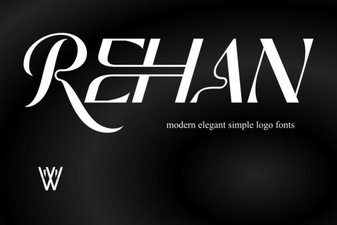 Rehan Font: a Modern Arabic Typeface for Creative Design
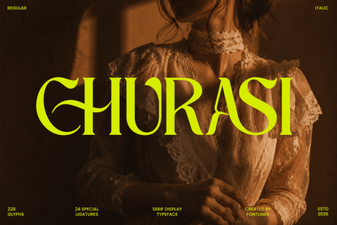 Churasi Font for Creative Typography Projects
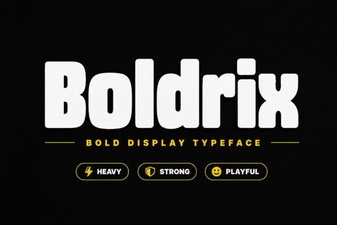 Boldrix Font: a Modern Designer's Toolkit
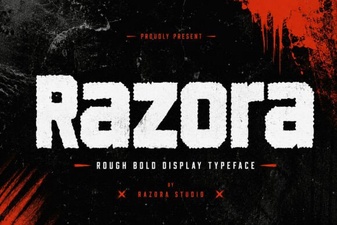 Razora Font: Design Inspiration & Use Cases
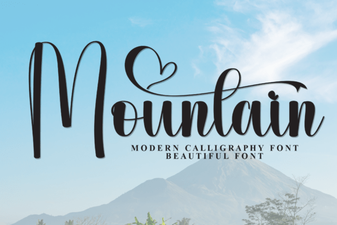 Explore Mountain Fonts: Design Tools for Outdoor Inspiration
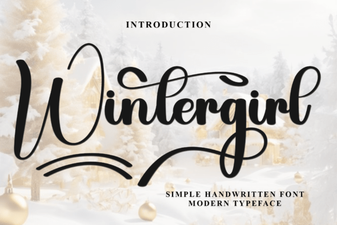 Wintergirl Font: Design Projects & Creative Ideas