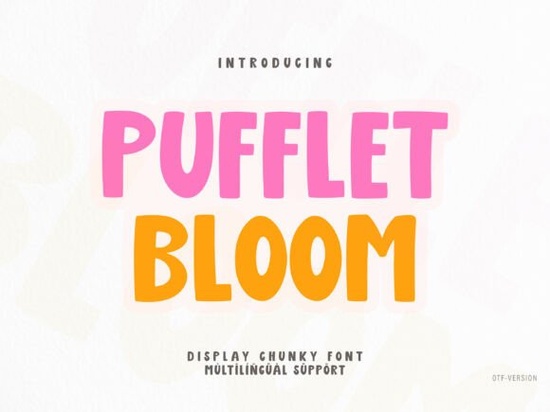
When you need typography that feels approachable and fun, finding the right style can make a massive difference for your brand. The Pufflet Bloom Font is a chunky, inflated display typeface built for exactly this purpose. Designed with soft rounded edges and bold shapes, it brings a friendly, handmade aesthetic to children's products, social media graphics, and cute packaging. Whether you are a graphic designer building a new visual identity or a hobbyist creating custom gifts, this typeface offers a cheerful voice that instantly grabs attention.
What kind of projects work best with bubbly typography?
Print-on-demand sellers and crafters often rely on highly visual letterforms to catch the eye on crowded online marketplaces. A playful typeface works perfectly for sticker packs, nursery wall art, and custom toddler apparel. The inflated shapes naturally draw the eye, making them ideal for short, punchy phrases on t-shirts or tote bags. If you are designing a retro-inspired clothing line, pairing this bubbly style with a more geometric option like these blocky display letters creates a striking visual contrast. For small businesses focusing on kids' parties or handmade toys, the warm personality of rounded edges translates beautifully to product labels, hang tags, and thank-you cards. You might also explore other rounded display options when you need a slightly different mood for a seasonal product line, but the cheerful nature of this specific design remains highly versatile.
How does this style compare to other display typefaces?
Unlike highly ornate scripts or heavily distressed vintage styles, this typeface prioritizes a clean structure while maintaining a casual, handmade vibe. It blends modern display styling with a soft touch that feels both professional and inviting. Designers working on bright, energetic branding can use it as their primary logo text or storefront signage. However, if your project requires something softer, more flowing, and slightly more elegant, you might want to look at this alternative display choice for a different flavor. On the other hand, for those who prefer a strict, modern edge without the inflated, three-dimensional look, checking out a structured modern display typeface will give you a good baseline for comparison. Understanding where this font sits on the design spectrum helps you choose the exact right tool for your current client or personal project.
Is this typeface easy to read on printed products?
Readability is a common concern when working with bold, inflated shapes, as thick strokes can sometimes bleed together when printed. Because the letterforms in this collection are carefully structured, they remain highly legible even at smaller sizes on clothing tags or shipping stickers. The included multilingual support also ensures that small businesses operating globally can maintain consistent branding across various languages without missing special characters. When setting up your design file, make sure to leave enough tracking space between the letters. If you need a highly legible option for longer blocks of text or secondary information, you might pair it with a simple sans-serif or a clean option like this minimalist display font for subheadings and product descriptions.
What should you check before using chunky letters for branding?
Before finalizing your artwork, it helps to test the typography across your intended mediums to avoid production issues. Bubbly, thick fonts behave differently on screen compared to physical materials like fabric or textured paper. Here is a practical checklist to run through before sending your files to print:
- Test the scale: Print a mockup to ensure the inflated shapes do not blur together when scaled down for small items like zipper pulls or lapel pins.
- Check color contrast: Verify the contrast between your text color and the background, as thick letters require strong contrast to remain legible from a distance.
- Verify special characters: Ensure that all punctuation marks, currency symbols, or numbers needed for your packaging are fully supported by the font file.
- Review commercial licensing: Double-check your license terms to confirm your specific use case is covered, especially if you are selling physical print-on-demand items.
- Balance the layout: Always pair the chunky header with a simple, thin font for your body copy to keep the overall design from feeling too heavy.
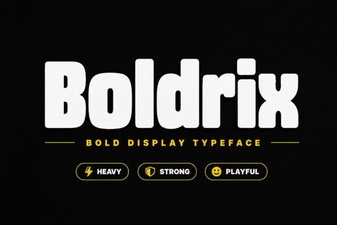 Boldrix Font: a Modern Designer's Toolkit
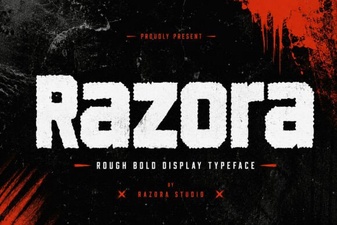 Razora Font: Design Inspiration & Use Cases
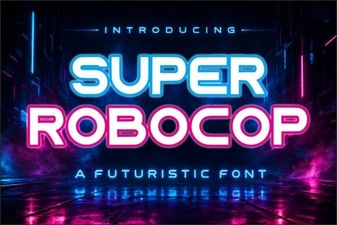 Super Robocop Font: Designs & Creative Projects
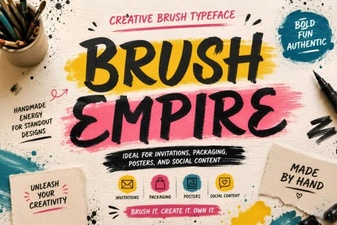 Brush Empire Font for Creative Design Projects
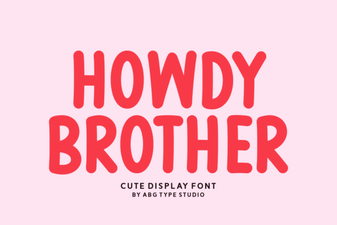 Howdy Brother Font: Free Download & Creative Uses
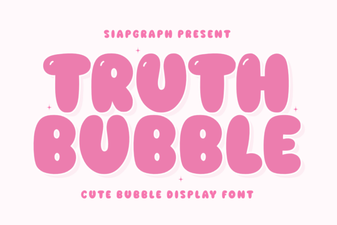 Truth Bubble Font for Your Creative Projects