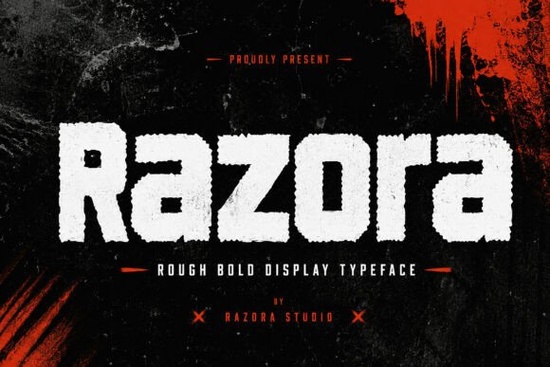
If you are working on a project that needs a gritty, underground vibe, the Razora Font is built exactly for that purpose. It is a bold, rough display typeface designed with raw edges and a distressed texture. Print-on-demand sellers, streetwear brand owners, and graphic designers often look for this kind of aggressive typography to create album covers, YouTube thumbnails, and editorial headlines that grab attention immediately. The rugged style gives every word a handcrafted and authentic feel, making your marketing materials look powerful and unforgettable.
What types of projects fit a raw, industrial aesthetic?
When you choose a typeface with a punk visual influence, you are making a deliberate design choice. This specific uppercase display font works best for urban brands, music-related graphics, and alternative lifestyle products. Streetwear clothing lines frequently rely on heavy, textured letters for their logos, tags, and packaging design to communicate authenticity to their audience. Gaming channels and streamers also use rough styles for their titles and thumbnails because the distressed edges stand out clearly against busy, high-contrast backgrounds.
If your design needs a fearless presence, this typography delivers that specific rebellious energy. It is an excellent choice for concert posters or magazine covers where the main goal is to stop people from scrolling or walking past. The physical texture built into the letterforms removes the need for extra grunge overlays, saving you time during the design process.
How do you pair rough display fonts with other typefaces?
Because this typeface has such a strong personality, it naturally demands attention as the main focal point of your layout. It is usually best to pair it with simpler, cleaner fonts for your body text and supporting details. For example, if you are designing an event poster, you might use this distressed style for the main headline, but choose something more traditional to provide visual balance. You could look at a friendly script like this hand-lettered option if you need a contrasting element for a date or venue sub-heading.
Alternatively, a structured sans-serif similar to this clean geometric style will keep the smaller informational text highly readable. Sometimes, mixing different display styles creates an interesting visual hierarchy. A heavily textured brush font might sit well next to a classic serif display in an edgy editorial layout. If you want to maintain the rugged theme but need something slightly less abrasive for secondary titles, exploring other rugged typographic choices can give your brand more variety. Even in standard social media graphics, combining a raw uppercase font with a highly legible companion like a modern rounded typeface helps guide the viewer's eye without overwhelming them.
Does this font include all the characters needed for commercial design?
The package is set up to handle most standard graphic design tasks right out of the box. It includes uppercase letters, numerals, standard punctuation, and essential symbols. Since it is strictly an uppercase display typeface, you will get the most impact by using it for short phrases, single words, or main brand titles rather than full sentences.
Small business owners and creative hobbyists will appreciate that the files are straightforward to install and use. The font works seamlessly on both Mac and Windows operating systems. Once installed on your computer, it functions in all standard design software. Whether you are a professional agency using Adobe Illustrator or a crafter making custom stickers in Canva, the installation process takes just a few minutes.
What should you check before exporting your final layout?
Before you send your project to print or publish it online, run through these practical steps to ensure your typography looks its absolute best:
- Check letter spacing: Distressed fonts often have irregular, jagged edges. Adjust the tracking slightly if letters are touching in a way that makes them difficult to read.
- Test on background colors: Raw textures can blend into highly detailed or similarly colored backgrounds. Use solid or slightly muted backgrounds to let the rough edges pop.
- Limit your word count: Keep the usage restricted to short headlines or logos rather than long paragraphs of text.
- Balance with negative space: Give the bold, heavy letters plenty of room to breathe on the canvas.
- Preview at different sizes: Make sure the distressed details remain visible and clear when the design is scaled down for mobile viewing or small merchandise tags.
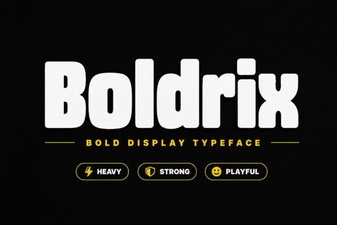 Boldrix Font: a Modern Designer's Toolkit
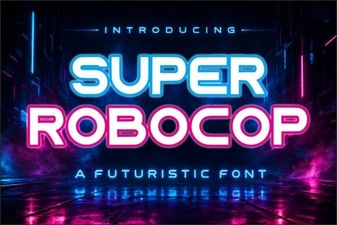 Super Robocop Font: Designs & Creative Projects
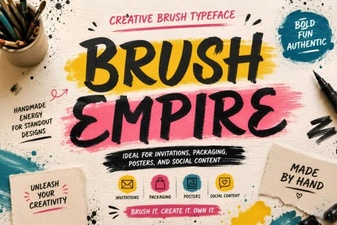 Brush Empire Font for Creative Design Projects
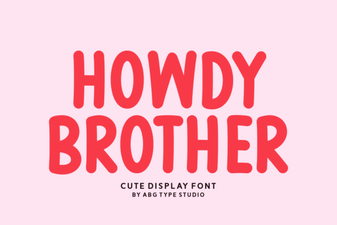 Howdy Brother Font: Free Download & Creative Uses
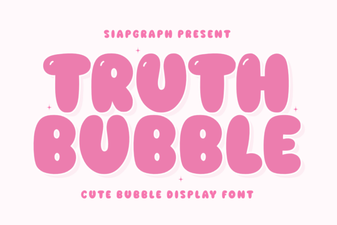 Truth Bubble Font for Your Creative Projects
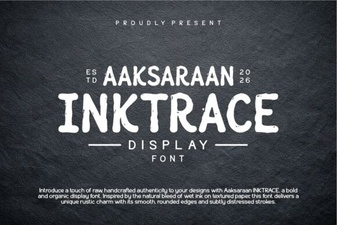 Aaksaraan Inktrace Font for Modern Creative Projects