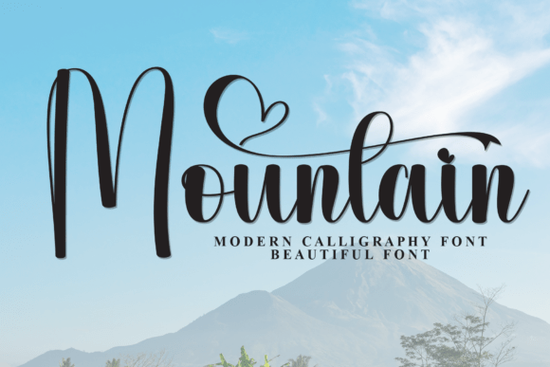
A handwritten display typeface instantly makes a design feel more personal and approachable. When working on custom wedding stationery, greeting cards, or a cheerful branding package, the Mountain Font is a highly practical choice. This specific lettering style brings a sense of friendliness and warmth to every stroke, making it ideal for projects that require a playful, spirited touch.
What kind of projects work best with a whimsical script?
Designers and creative hobbyists often look for typography that avoids feeling overly rigid or corporate. Because this typeface has an adorable, organic style, it shines brightest in personal and celebratory items. Think about custom greeting cards, baby shower invitations, or handmade scrapbook layouts. The natural flow of the letters adds a human element that standard sans-serif fonts simply cannot replicate.
For print-on-demand sellers, applying this kind of lettering to coffee mugs, tote bags, or nursery wall art can help products stand out on crowded marketplaces. Crafters using cutting machines will also appreciate how the smooth curves typically cut cleanly on adhesive vinyl, making it great for custom decals and wooden signs. Just remember to weld the script letters together in your cutting software to avoid awkward gaps in the final physical product.
Sometimes you might need a slightly different mood for a secondary project. If you want an alternative that leans heavily into casual handwriting, browsing through a relaxed option like this dreamback script could give you fresh ideas. Alternatively, if your brand requires a bright, sunny vibe, checking out the smiles california lettering style might provide the exact aesthetic you need for summer-themed merchandise.
How do you pair this display font with other typefaces?
When building a layout, relying entirely on a heavily stylized script can make the text difficult to read. The best approach is to use this whimsical font for your main headlines, quotes, or names, and then pair it with a clean, simple sans-serif or classic serif for the body text. This contrast ensures your message remains clear while keeping the visual interest high. A good rule of thumb is to let the script do the talking without competing for attention.
Exploring different pairings is a core part of the design process. You might try combining it with the elegant flow found in a romantic wedding typeface for layered monograms. For a more quirky, informal look, testing it alongside a casual standup font can create a fun, readable hierarchy. Another great companion for bakery logos or sweet treat packaging is a soft, rounded choice like a butterscotch display font. Mixing these elements allows small businesses to build a cohesive but versatile brand identity.
What software is compatible with these font files?
Before you start designing, it is helpful to know where you can install and use your new files. Most standard downloads come in OTF and TTF formats. These work seamlessly across major design programs, including Adobe Illustrator, Photoshop, Canva, Cricut Design Space, and Silhouette Studio. This flexibility means whether you are a digital graphic designer or a weekend vinyl crafter, you can easily integrate the lettering into your workflow.
When working with digital cutting machines, complex scripts can sometimes cause weeding issues if the letters are too thin. Fortunately, bold handwritten styles generally provide enough thickness for a clean weed. Always remember to check the commercial licensing terms if you plan to sell physical items featuring the text. Understanding whether your license covers print-on-demand or just personal crafting is a vital step for any small business owner.
Quick checklist before publishing your design
- Proofread carefully: Decorative fonts can sometimes hide typos, so double-check your spelling before finalizing.
- Check the contrast: Ensure there is enough visual difference between your script text and the background color for easy reading.
- Balance the layout: Keep your body text in a simple, readable font to balance the whimsical headings.
- Adjust the spacing: Tweak the kerning or letter spacing if certain character combinations look too tight or too loose.
- Run a test print: Always print a physical sample before running a large batch of products like invitations or stickers to check the final scale and legibility.
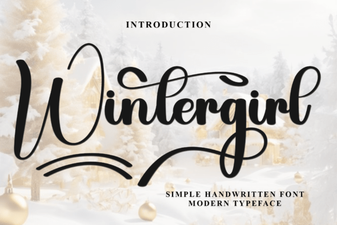 Wintergirl Font: Design Projects & Creative Ideas
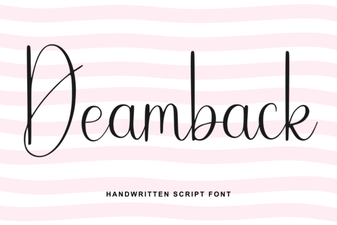 Dreamback Font: Clean Design for Modern Projects
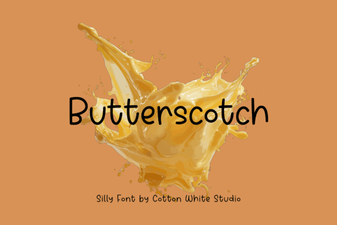 The Butterscotch Font: Creativity & Usability
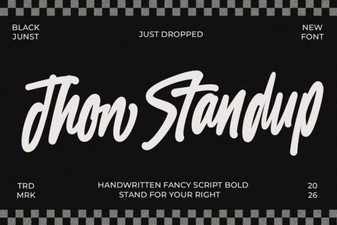 Jhon Standup Font for Clean Graphic Design
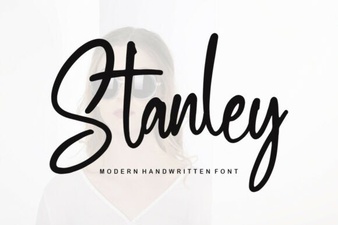 Stanley Font: a Versatile Design Tool for Creatives
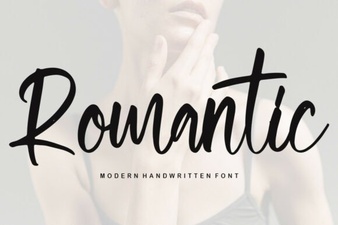 Romantic Fonts for Creative Projects & Elegant Designs