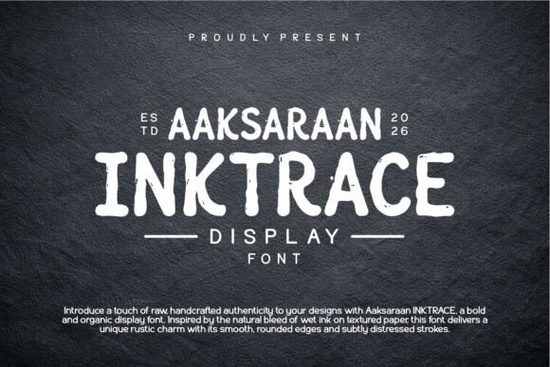
Finding the right typography for a vintage-inspired project or playful packaging often comes down to choosing a typeface that feels human and unpolished. The Aaksaraan Inktrace Font delivers exactly that raw, handcrafted authenticity. It is a bold display typeface with a chunky, marker-like aesthetic that gives your text a genuine personality. Whether you are a print-on-demand seller designing graphic tees or a small business owner creating casual branding, this organic lettering style helps your work stand out without looking overly produced. You can view the full character set and licensing details for the Aaksaraan Inktrace Font online.
What kind of projects work best with a marker-style display font?
Marker fonts thrive in spaces where you want to grab attention quickly and convey a relaxed, approachable mood. Because of its thick strokes and fluid character, this specific typeface is highly versatile for both modern and retro designs.
- Apparel and Merchandise: The bold shapes print clearly on cotton and canvas. This makes it ideal for streetwear, casual tote bags, or embroidered hats where fine details might get lost in the fabric texture.
- Product Packaging: If you sell artisanal goods, handmade soaps, or craft beverages, the handcrafted look builds immediate trust with buyers. It signals that a real person made the product, rather than a massive factory.
- Event Posters and Signage: The heavy weight ensures readability from a distance. This is crucial for gig flyers, farmers market signs, or storefront window decals where passing traffic only has a few seconds to read your message.
How do you pair chunky typography with other typefaces?
When working with a heavy, organic font, contrast is your best tool. You want to avoid pairing it with another bold marker style, as they will compete for attention and make your layout look cluttered. Instead, balance the visual weight by choosing supporting fonts that serve a different purpose.
If you want a friendly, retro vibe, try combining it with a bubbly or rounded typeface like this playful display option for secondary accents or background patterns. For a more grounded, classic look, a sturdy serif can anchor your layout nicely, much like the approach you might take when using a vintage-inspired brother style font for traditional layouts.
Sometimes, you just need a clean, highly legible sans-serif for the body copy to let the main headline shine. Alternatively, if you are going for a grunge or distressed theme, mixing in a rougher display choice can add grit and texture to your overall composition. Just remember to keep your color palette simple when mixing multiple distinct styles.
If you want something highly readable but still unique for subheadings, exploring a clear bubble-inspired alternative can provide a nice middle ground between playful and professional. Finally, if your project needs a slightly more structured but still hand-drawn feel, looking at a clean handcrafted display might give you the exact supporting cast your main typography needs.
Is this typeface legible enough for small business branding?
One common concern with raw, hand-drawn fonts is whether they remain readable across different mediums, especially on mobile screens. This typeface provides a strong balance of legibility and artistic flair. The chunky letterforms maintain their structure even when scaled down for business cards, Instagram graphics, or website headers.
However, because it has a distinct personality, it is best reserved for logos, main headings, and short promotional taglines. You would not want to use it for paragraphs of text or long product descriptions. For long-form content, stick to standard serif or sans-serif fonts to ensure your customers can read your message without eye strain. Use the marker style to draw the eye, and standard fonts to deliver the information.
What file formats do you need for crafting software?
If you are a creative hobbyist using Cricut or Silhouette machines, you will need fonts that install smoothly on your operating system. This download includes standard OTF and TTF files, which are universally compatible with most design and cutting software. OTF files often contain additional ligatures and alternate characters, which can add an extra layer of customization to your vinyl decals. Always make sure to extract the files from their ZIP folder before attempting to install them on your computer, and restart your design software if the new font does not appear immediately.
How should you prepare your files for printing?
When sending your designs to a professional printer or preparing them for print-on-demand fulfillment, always outline your text. Converting your typography to vector shapes ensures that the printer does not need to have the specific font installed on their machines. This prevents unwanted font substitutions that could ruin your carefully planned layout. Additionally, check the contrast between your chunky text and the background color to guarantee it remains visible after the printing process.
Before you finalize your next design, run through this quick typography checklist:
- Check the contrast: Ensure your background color makes the thick marker strokes pop clearly.
- Limit your font count: Stick to two or three typefaces maximum per project to avoid visual chaos.
- Test the scale: Print a physical sample at the actual size to verify readability before mass production.
- Review the spacing: Adjust the kerning manually if certain chunky letter combinations feel too tight or overlap awkwardly.
- Outline for print: Convert text to shapes when exporting final files for external printers.
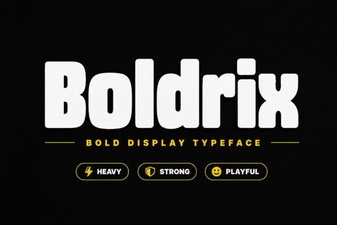 Boldrix Font: a Modern Designer's Toolkit
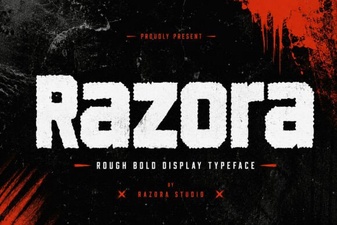 Razora Font: Design Inspiration & Use Cases
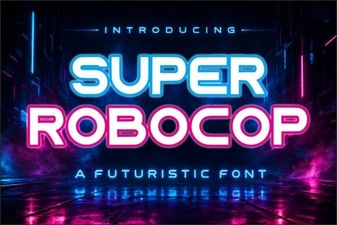 Super Robocop Font: Designs & Creative Projects
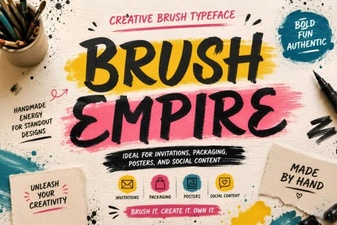 Brush Empire Font for Creative Design Projects
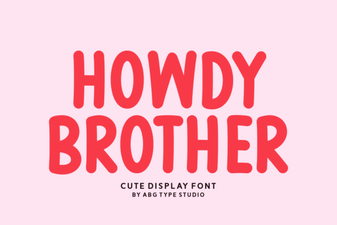 Howdy Brother Font: Free Download & Creative Uses
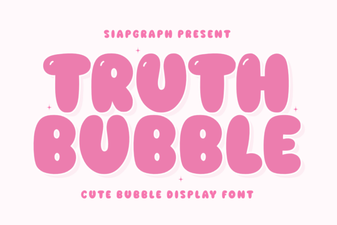 Truth Bubble Font for Your Creative Projects