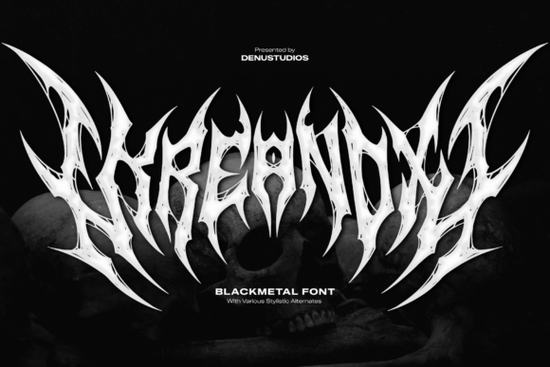
When you need to design album art or merchandise for extreme music genres, standard sans-serif or serif typefaces rarely capture the right intensity. The Kreanox Font provides a highly specific, brutally intricate display option built directly for these niche applications. Featuring jagged uppercase characters, overlapping organic webbing, and scythe-like barbs, it mirrors the illegible yet highly stylized logos seen in classic deathcore and black metal bands. Designers and crafters working in the dark fantasy or alternative streetwear spaces often look for this exact aesthetic to establish an aggressive, underground tone right from the start.
What kind of projects work best with this extreme font?
Because of its heavy visual weight and chaotic root-like tendrils, this typeface is not meant for body copy or long paragraphs. It serves as a focal point. You will get the best results when using it for:
- Independent music branding: Perfect for death-metal album covers, underground gig flyers, and band merchandise.
- Gaming and dark fantasy: Adds immediate atmosphere to horror game titles or tabletop role-playing campaign headers.
- Alternative streetwear: Works well on the back of graphic tees or hoodies where a distressed, heavy metal look is desired.
- Social media graphics: High-impact headlines that need to stop the scroll and signal a dark, aggressive brand identity.
If you are building a collection of heavier gothic typefaces and want to see similar styles, browsing specialized dark and intricate lettering categories helps narrow down the exact mood you want to convey without settling for standard gothic letters.
How do you balance readability with complex lettering?
The most common challenge when using heavily stylized black metal fonts is ensuring your audience can actually read the text. The hyper-symmetrical design and overlapping elements intentionally push the boundaries of legibility.
To keep your layout effective, pair this display font with a very simple, clean secondary typeface. Use a standard sans-serif font for your tracklists, tour dates, or website navigation. Let the Kreanox design act strictly as your main title or logo mark. Also, pay attention to your background contrast. The typeface was designed with a pitch-black background and decaying skull motifs in mind, so placing it on dark, textured backgrounds usually yields the most authentic underground look. Avoid placing it over busy photographs where the fine scythe barbs and root tendrils will disappear.
Is this style suitable for print-on-demand merchandise?
Yes, but you have to prepare your files correctly. Intricate details like the razor-sharp edges and chaotic webs can sometimes cause issues during the screen printing or direct-to-garment process if the resolution is too low or the lines are too thin.
Small businesses creating enamel pins or die-cut stickers can also use this style to target the alternative music demographic. When cutting stickers, the sharp barbs will need a slight border so the edges do not peel up easily over time.
Before sending your design to a print-on-demand supplier, take these steps:
- Convert to outlines: Always convert your text to vector shapes so the printer does not need the font file installed.
- Check minimum line weight: Ensure the thinnest parts of the organic webbing are thick enough to print clearly on fabric. You may need to add a slight stroke to the lettering in your design software.
- Test on dark garments: This aesthetic thrives on black or charcoal t-shirts. White or light-colored ink on dark fabric will make the jagged edges pop, but requires a solid underbase during printing.
Checklist for your next dark fantasy layout
Before you finalize your artwork, run through this quick setup to ensure your typography fits the extreme aesthetic while remaining functional.
- Use the intricate font only for short titles, logos, or single-word headings.
- Pair it with a plain, highly legible sans-serif for all secondary information like dates and prices.
- Place the text on a solid dark background or a texture with low contrast to prevent the jagged edges from getting lost.
- Verify your file resolution is at least 300 DPI if you plan to print the design on physical merchandise or gig posters.
- Review the spacing between letters, as the overlapping root-like tendrils can sometimes tangle awkwardly if words are too long.
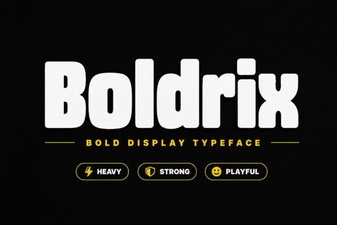 Boldrix Font: a Modern Designer's Toolkit
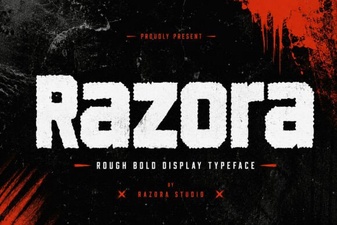 Razora Font: Design Inspiration & Use Cases
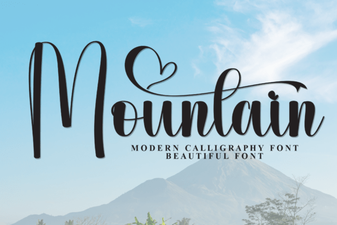 Explore Mountain Fonts: Design Tools for Outdoor Inspiration
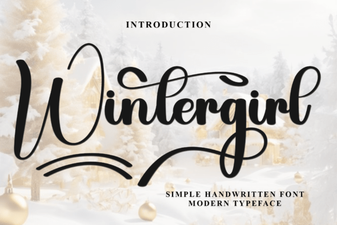 Wintergirl Font: Design Projects & Creative Ideas
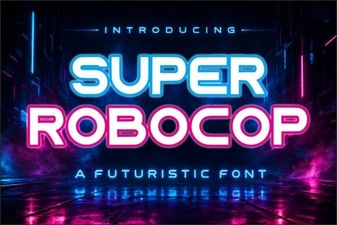 Super Robocop Font: Designs & Creative Projects
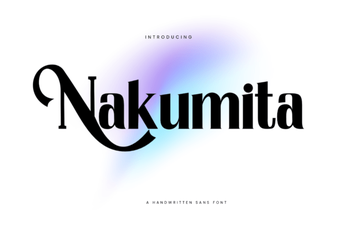 Nakumita Font: Creative Typography for Modern Design