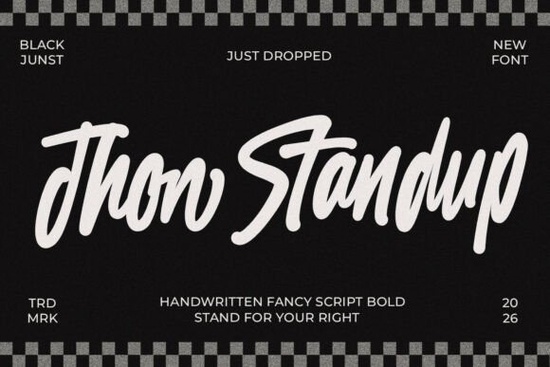
Finding the right typography for a high-energy brand can be tricky. You need something that feels personal but still carries enough visual weight to grab attention from across a room or a crowded social media feed. That is where Jhon Standup comes in. This bold handwritten script font brings a confident, urban edge to everything from streetwear labels to craft beer packaging. If you are looking for lettering that speaks with authority and creativity, you can explore Jhon Standup to see how its smooth brush strokes can transform your layout. It is specifically crafted for designers and small business owners who want their visual identity to stand out without looking overly stiff or corporate.
What makes a handwritten font work for modern branding?
A successful brand identity relies on a careful balance of readability and personality. Jhon Standup uses strong character shapes and natural flowing connections that closely mimic real marker strokes. Unlike a softer, more romantic script that might get lost on a textured label, this typeface stands its ground. It is built for logos, event posters, and digital advertising where you need an immediate visual impact.
When designing a sports team logo or a trendy clothing line, the energetic flow keeps the design looking active and fresh. The brush-inspired edges give it an authentic, handcrafted feel that resonates well with modern consumers. Of course, if your specific project requires a classic vintage look instead, you might pair it with a traditional serif typeface. However, for pure modern attitude and street-style graphics, this brush style delivers exactly what you need.
How do you customize lettering for apparel and merchandise?
Print-on-demand sellers and creative hobbyists know that standard text often looks too rigid on a t-shirt, mug, or tote bag. Buyers are looking for unique, boutique-style items, and custom typography helps achieve that. Jhon Standup includes a complete set of uppercase and lowercase letters, along with stylistic alternates and ligatures. These extra characters let you tweak the connections between letters so no two words look exactly alike, giving your merchandise a truly custom appearance.
Here are a few practical ways to apply this font to your products:
- Apparel Graphics: Use the uppercase set for bold, oversized chest graphics on hoodies or cropped tees.
- Digital Signatures: Mix lowercase letters with sweeping alternates to create realistic handwritten signatures for digital art prints or branding mockups.
- Product Packaging: Combine the heavy brush strokes with a sweet butterscotch lettering style for secondary text on artisan coffee bags or cosmetic boxes to create visual hierarchy.
Having multilingual support also means you can create cohesive branding for international markets without losing the custom hand-drawn feel. For example, if you are designing a winter apparel collection and need a frosty wintergirl aesthetic, you can use this heavy font for the main brand name and contrast it with lighter, airy snowflake graphics.
Which file formats should you install for different software?
Downloading a font is only the first step; making sure it works seamlessly across your design tools is what truly matters for a smooth workflow. Jhon Standup is available in OTF, TTF, and Webfont formats, covering almost every design scenario.
- OTF (OpenType): This is the best choice for professional software like Adobe Illustrator, Photoshop, and InDesign. The OTF format gives you full access to the ligatures and alternate characters through the glyphs panel, allowing for intricate typographic compositions.
- TTF (TrueType): Ideal for everyday programs like Microsoft Word, Canva, or Silhouette Studio. Crafters using electronic cutting machines will find this format highly reliable for creating intricate vinyl decals and iron-on transfers.
- Webfont: Essential for small businesses building a custom website. It ensures your unique typography loads quickly and renders clearly on all web browsers.
Sometimes a project calls for a nostalgic dreamback vibe, and having the proper webfont files ensures your site headers look authentic across devices without slowing down page speed.
Practical setup checklist for your next typography project
Before you finalize your design, run through these quick steps to get the most out of your new script font:
- Install the correct file: Choose the OTF file if you plan to use Adobe Creative Cloud to access all the hidden ligatures and swashes.
- Test the contrast: Type out your main headline in uppercase letters and place it on a dark background to ensure the brush strokes remain legible.
- Adjust the kerning: Script fonts often require slight manual spacing adjustments. Nudge the letters closer together so the natural flowing connections touch perfectly.
- Activate ligatures: Turn on standard ligatures in your character settings to automatically smooth out any awkward letter combinations.
- Choose a supporting typeface: Pair the bold script with a clean, simple sans-serif font for your body text. This keeps your overall layout readable and prevents the design from looking too cluttered.
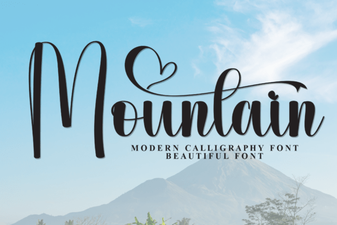 Explore Mountain Fonts: Design Tools for Outdoor Inspiration
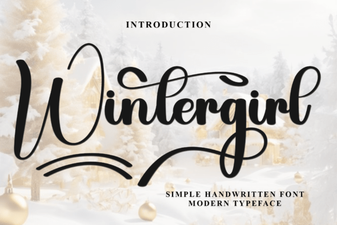 Wintergirl Font: Design Projects & Creative Ideas
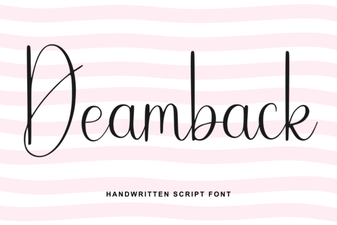 Dreamback Font: Clean Design for Modern Projects
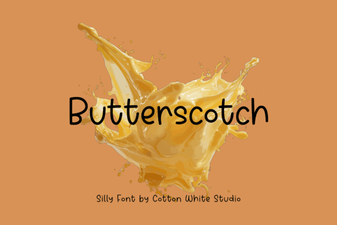 The Butterscotch Font: Creativity & Usability
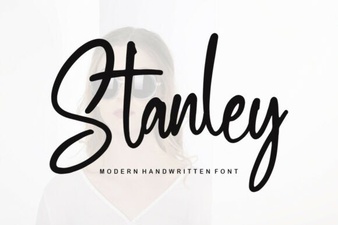 Stanley Font: a Versatile Design Tool for Creatives
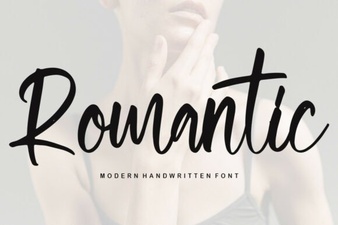 Romantic Fonts for Creative Projects & Elegant Designs